Polyamorous Relationships
Polyamorous relationships are romantic or sexual relationships that involve multiple partners with the consent and knowledge of everyone involved, unlike monogamy which involves just two partners. Polyamory embraces the idea that love and intimacy can be shared with more than one person. This post talks about what polyamory is, and how you can figure out if it might be for you!
Consent and Communication
Just as in any healthy relationship, consent and communication are key to making a polyamorous relationship work. Open and honest communication helps make sure everyone is on the same page and in tune with each other’s needs, boundaries, and desires. What this looks like can change from person to person or couple to couple, but it might involve regular check-ins to see how everyone is feeling, where time is set aside for each person to express their concerns or talk about what’s really working for them. Here are some examples of questions that can help open up that discussion:
- How have you been feeling about us lately?
- What are your roses (good things) or thorns (tough things) about our relationship this month?
- Is there anything I can do to make you feel more supported?
It might sound a bit corny to speak so professionally, but you can absolutely change the phrasing of the questions to suit how you actually communicate. The point is that you’re checking in and really trying to listen and take to heart what each person has to say. You might call this “active listening”.
Dealing with Complicated Feelings
People in polyamorous relationships aren’t immune to jealousy or any of the other negative or possessive emotions that can come from being intimate with another person; polyamory involves the same range of emotions as monogamy. If it’s your first time in a polyamourous relationship, it can be helpful to remind yourself that these feelings are normal, and okay to feel, but also remind yourself to rely on effective communication and self-reflection to help address them in constructive ways.
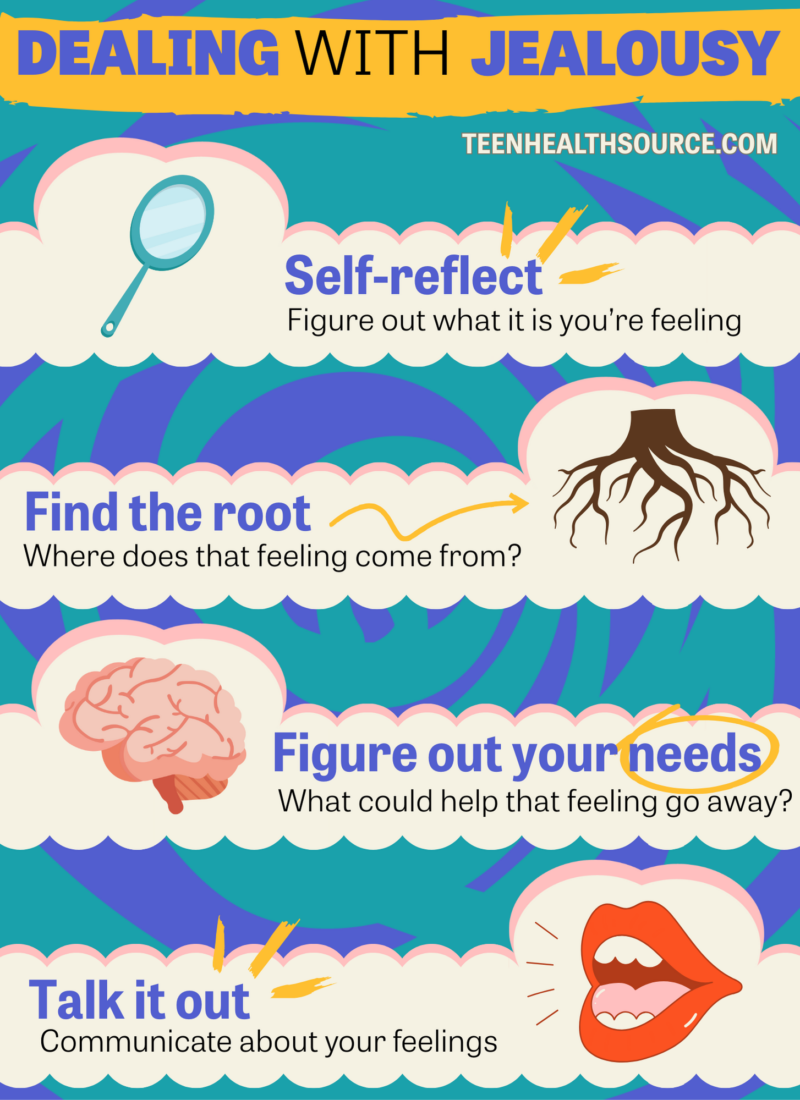
For example, imagine you’re in a poly relationship and you start to notice feelings of jealousy come up because your certain partners are spending more time with each other than you. Self-reflection might look like asking yourself why you might be feeling jealous: does it come from a fear of being left out? Does it make you question the strength of your connection with your partner? What’s the root? Then you can figure out what you need to make that feeling stop: do you just need more time with your partner, or do you also need some reassuring words? Talking about this stuff with your partner can make the ideas that are really big in your head feel smaller when they’re out in the open.
Types of Polyamory
Polyamorous relationships can take a lot of different forms:
- Hierarchical: partners are ranked by significance, with one being the “anchor” or “primary” and others being “secondary” or “tertiary”. Generally the primary partner would get more attention and priority in decision-making.
- Non-Hierarchical: All partners in this dynamic would be given the same priority.
So what would this look like in reality? Maybe primary partners only have sex with each other, but might cuddle or kiss other people. Maybe as a secondary partner, you’re not really expected to go to family gatherings or spend time with their friends.
Remember these boundaries can also shift over time as needs and wants change. If you feel like things aren’t working for you, or get the sense they might not be working for your partner(s), talk about it! People change and grow over time, changing doesn’t have to mean ending things–you can grow in your relationships together.
Could I Be Polyamorous?
It’s totally normal to have some questions about what relationship dynamics might work for you. We all deserve to be in relationships that fulfill us, regardless of what that looks like structurally. If you’re wondering if polyamory is for you, here are some questions you might ask yourself:
- What are my motivations? Think about why you might be interested in polyamory. Are you looking for more emotional fulfillment? Do you just feel like you’ve got more love to give than feels possible in a monogamous relationship? Do you want your relationship dynamics to be more reflective of your politics, and challenge social norms?
- Am I comfortable with jealousy? Be honest with yourself about how you handle jealousy–can you navigate it in a constructive way, or do you feel like it overwhelms you? Having jealous tendencies doesn’t mean polyamory wouldn’t work, but it might take some effort to unpack and overcome those instincts.
- How do I communicate? Think about your communication style–do you like to engage in open and honest conversations? Do you feel comfortable talking about your feelings and your needs? Do you feel strongly about your boundaries? And do you think you could have these conversations with multiple people?
- What are my boundaries? How would they shift in a polyamorous context? What are you comfortable with, what are your non-negotiables? Think about seeing your partner with other people (even people you don’t like!), how much time you want or have to spend with your partner, and how much alone time you might need.
- What support systems do I have in place? Think about who you might go to to talk about your relationship–whether that’s friends, family, online communities. We should all be able to talk about our relationships with people close to us, and sometimes atypical relationships make that trickier.
- Am I prepared for social judgement? Not everyone understands or agrees with polyamory, and even when people do they might be especially critical or insistent that polyamorous relationships can’t last. Do you feel especially affected by other people’s opinions of you?
These questions can serve as a starting point, and don’t always have to be answered before you try meeting people and exploring these types of relationships, you can grow along the way! Just like any relationship, being honest and open about your feelings and needs is the most important thing.
Resources
- Teen Health Source Information Topics – Relationships
- Polysecure: Attachment, Trauma, and Consensual Nonmonogamy by Jessica Fern
- Planned Parenthood Toronto Factsheet – Consensual Non-Monogamy
- Scarleteen – I think I’m poly: how do I initiate open relationships?
If you have questions about this topic, feel free to contact one of our peer educators. [Link]
Last Edited: December 2025