 We’re so so so stoked about Safer Sex for Trans Bodies, a fantastic new resource from The HRC Foundation and Whitman-Walker Health. From the HRC Foundation’s description, this is:
a comprehensive sexual health guide for transgender and gender expansive people and their partners. The guide is written by and for members of the transgender community and offers them a long-overdue resource on potentially life-saving and affirming practices, from respectful terminology and definitions to helpful practices for sexual health following transition-related care.
A lot of the safer sex info in the booklet applies to folks of many different bodies and genders (same as what’s on this site), but we’re really psyched about the section Hormones and Surgery: Sex During Transition. It’s got lots of info that we don’t see too often in other places.
You can download Safer Sex for Trans Bodies from HRC Foundation’s website [Link].
If you have questions about this topic, feel free to contact one of our peer educators. [Link]
Last Updated: April 2020
The history of abortion rights is complex, with a lot of passionate activists fighting for change. This article details some of the bigger events that got us to where we are today!
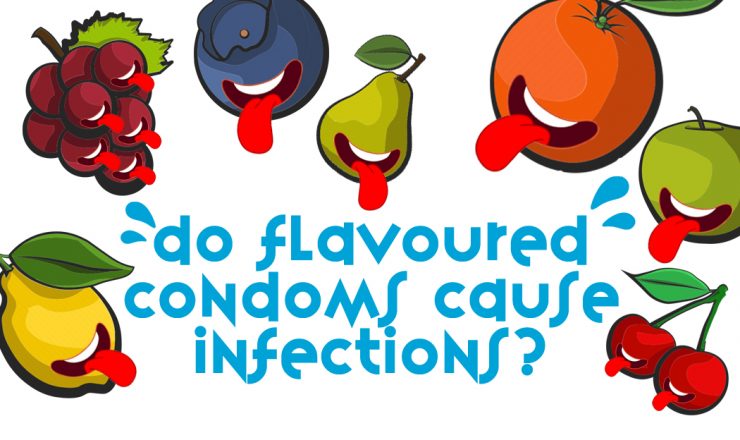
Some people choose to add to the taste experience of sexual activities by using flavoured condoms, lube, and dental dams. But are they safe?
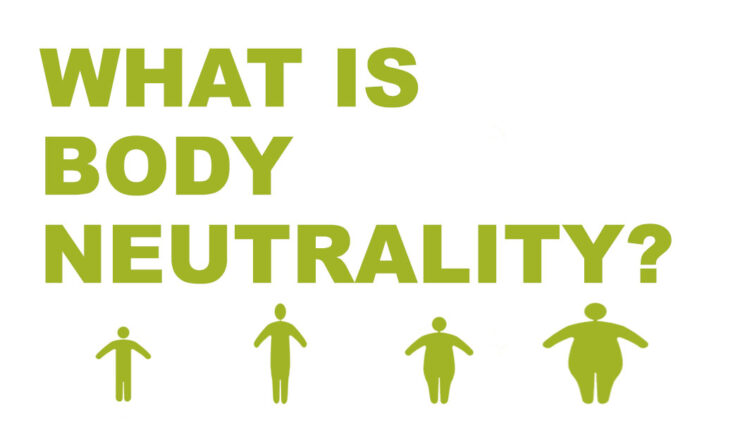
We hear a lot about Body Positivity, but what about Body Neutrality? This post goes into a definition for Body Neutrality, and how it might play a role in your relationship to your body or to your sex life!