The list of self-care advice for pregnant people or those who have recently given birth is kind of endless–you have to balance foods that are nutritious with food you actually want to eat, think about certain foods that might not be great for a developing baby, think about how much energy you can realistically expend toward cooking and feeding yourself, it’s a lot! Finding a “perfect” diet is kind of an impossible task, but there are a few general guidelines that might help make things a little easier. We’ll talk about some tips for nutrition when it comes to both pregnancy and postpartum (the period immediately after giving birth), and even share a couple of low-effort nutritious recipes!
It’s totally normal to feel restricted by what you can and can’t eat during pregnancy or chest feeding, and to struggle with new or weird cravings. It might be helpful to try and find a middle ground between balance getting enough nutrition for you and your baby while giving yourself flexibility for treats you enjoy and cravings that have you reaching for things that aren’t super nutritious. Let’s talk some general guidelines to give you an idea of where to start!
Calorie Intake
During pregnancy, it is typically recommended to consume around 300 extra calories per day. This is especially important in the second and third trimesters to support the growth of the baby. After pregnancy, similar recommendations apply if you’re choosing to chest feed. Trying to get these calories from a range of proteins, fruits, and vegetables can help you feel more satiated while still getting enough nutrients!
Protein, Carbohydrates, and Fats
Your body requires protein, carbohydrates and fats for energy all the time, and especially during pregnancy and when chest feeding. You might have heard about diets that cut out carbs or fats like they’re bad things, but really they’re a part of a balanced diet! Here are some common whole-food sources of protein, complex carbs, and unsaturated fats you might want to consider incorporating into your diet:
Foods that are not recommended
Some food while super tasty might not be the healthiest for you and your baby due to higher risks for bacterial infections or other mercury content. Here are some foods you’ll want to do your best to avoid:
Water Intake
Drinking enough water is another important part of maintaining your general health, and even more so during or just after pregnancy. It’s generally recommended to consume around 8-12 cups of fluid daily which might seem like a lot, but there are some tricks to making sure you get enough. Try carrying a light water bottle around the house to make sure you constantly have access to hydration, especially one with a straw, or consider herbal teas and low-sugar drink mixes if you prefer something with a bit more flavour. Getting enough water helps support amniotic fluid production (which cushions the fetus, helps with fetal growth and movement, as well as support lung development), regulates body temperature, helps with digestion, reduces swelling, and helps transport nutrition in the body!
These recipes were created and tested by our very own volunteer! They’re nutritious, use whole ingredients, and don’t take very long to make. Remember you can always customize recipes by adding in your favourite ingredients to compliment them.
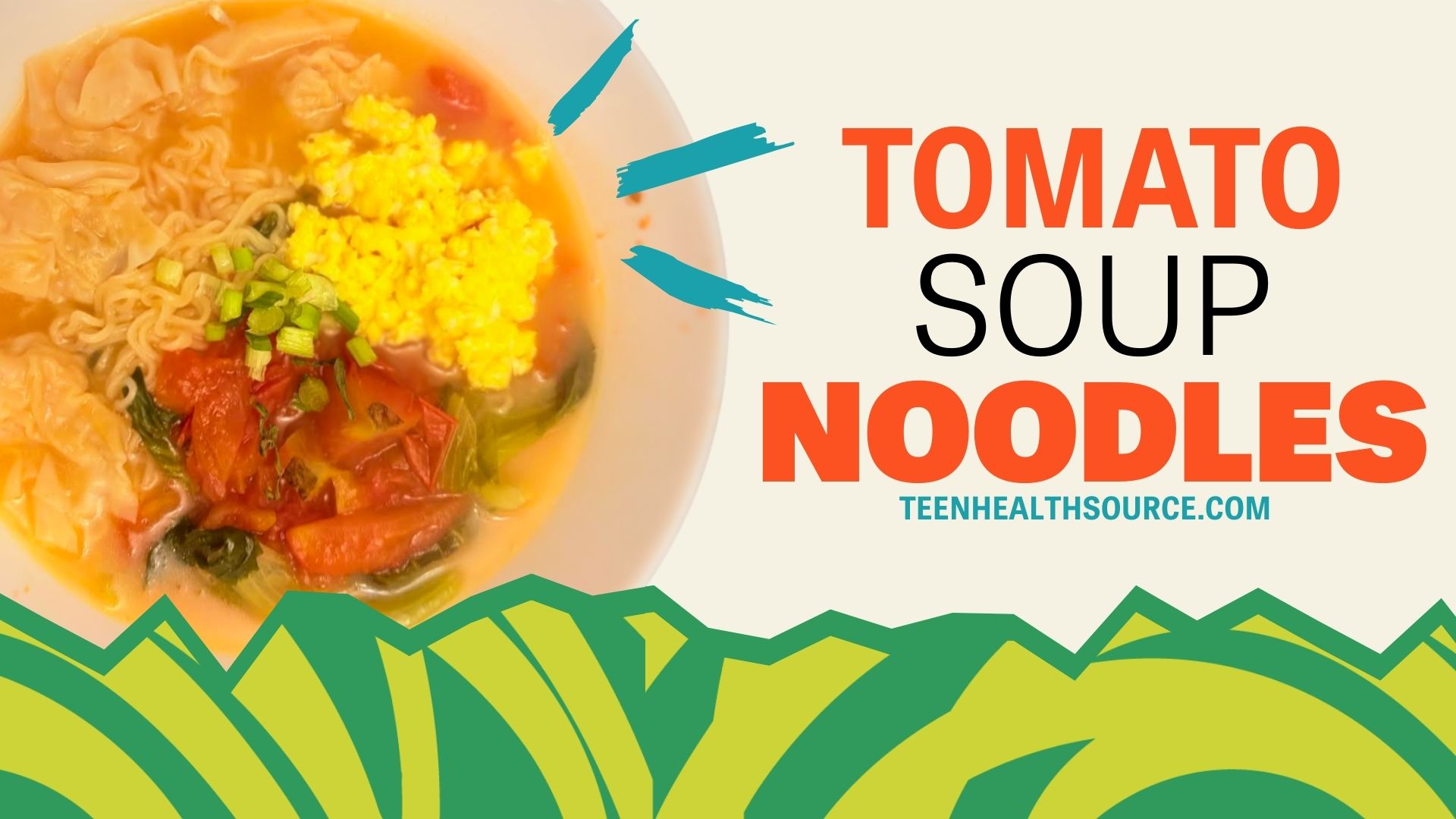 Ingredients:
Instructions:
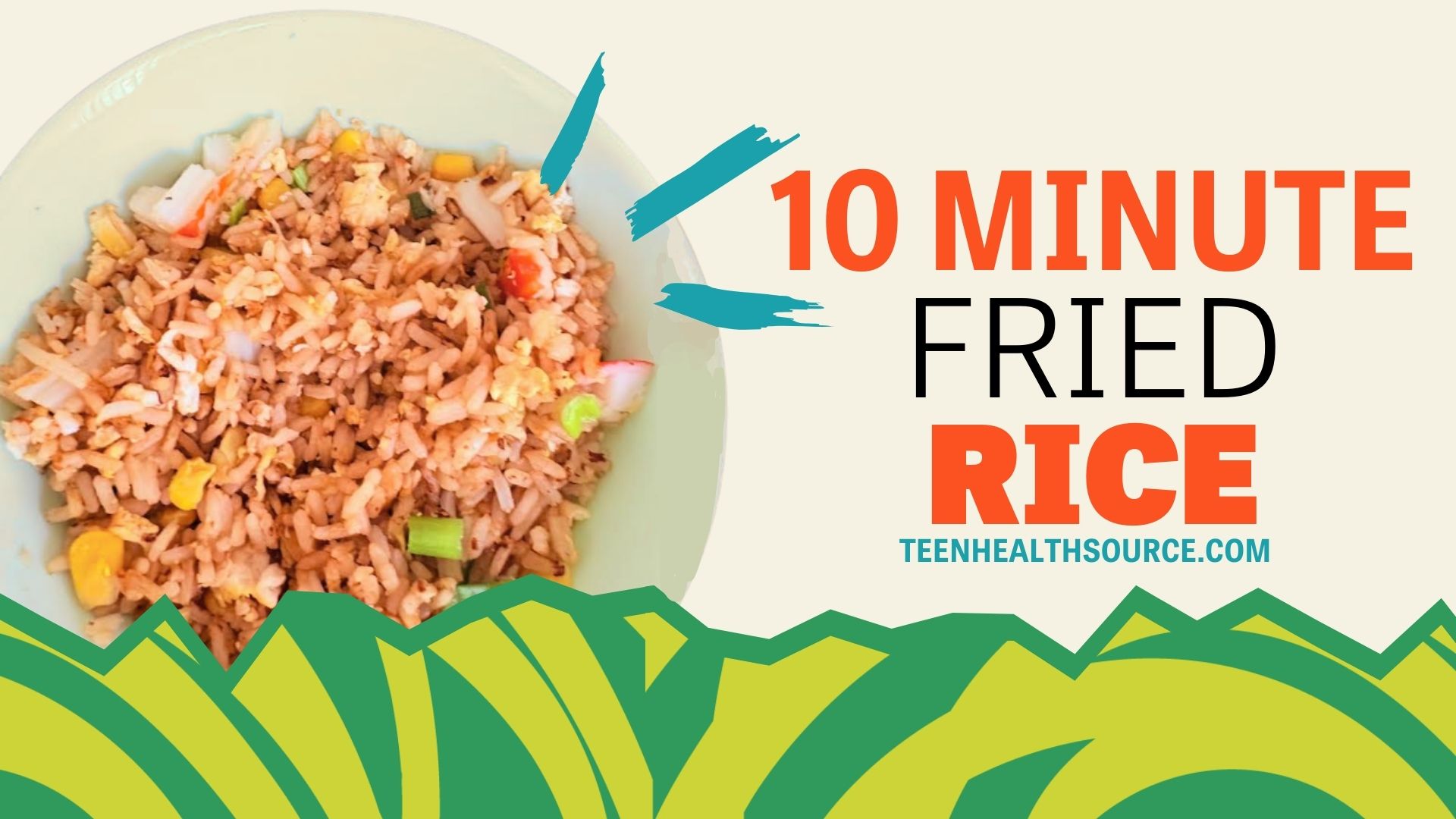 Ingredients:
Instructions:
*For those using Minuterice/ instant rice, put the rice in the freezer for 10 minutes to mimic the drier texture of fried rice.
We know that pregnancy and the postpartum period can be really tough to get through, especially as a teen! Asking for help when you can, and giving yourself time and space when possible to rest is still an important part of having a baby and something everyone deserves.
If you have questions about this topic, feel free to contact one of our peer educators. [Link]
Last Edited: March 2026
The Affirmations Deck is an amazing resource created by a group of queer and trans* youth involved with Planned Parenthood Toronto’s Filling in the Blanks: Queering SexEd project!
Peer educators from Planned Parenthood Toronto’s PEAK project have started a podcast
Teen Health Source is recruiting volunteers aged 16 to 19 in the GTA to become peer educators!